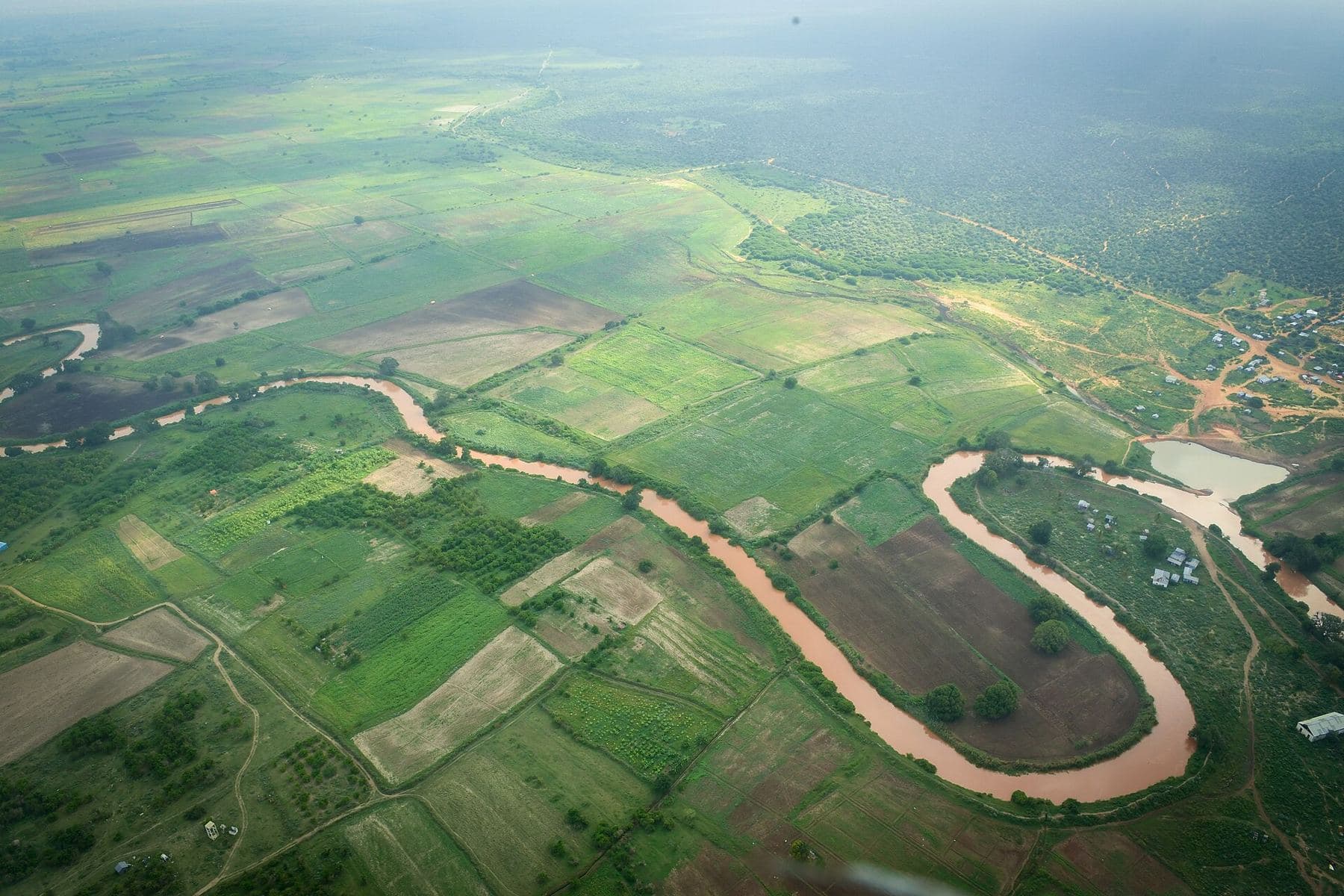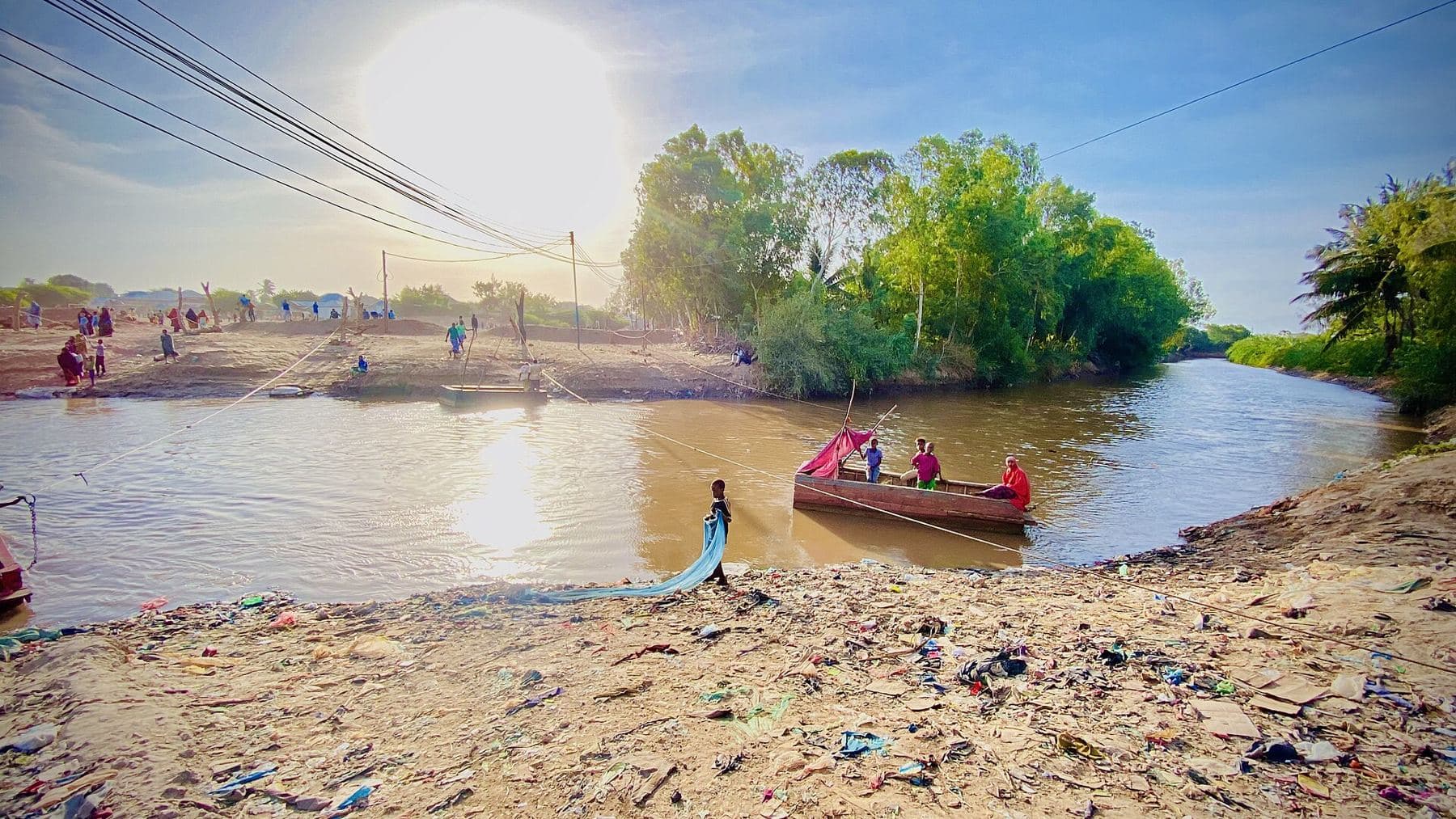
Forecasts for the Shabelle exist. What is often missing are community triggers, plans and resources to act on them before the water rises.
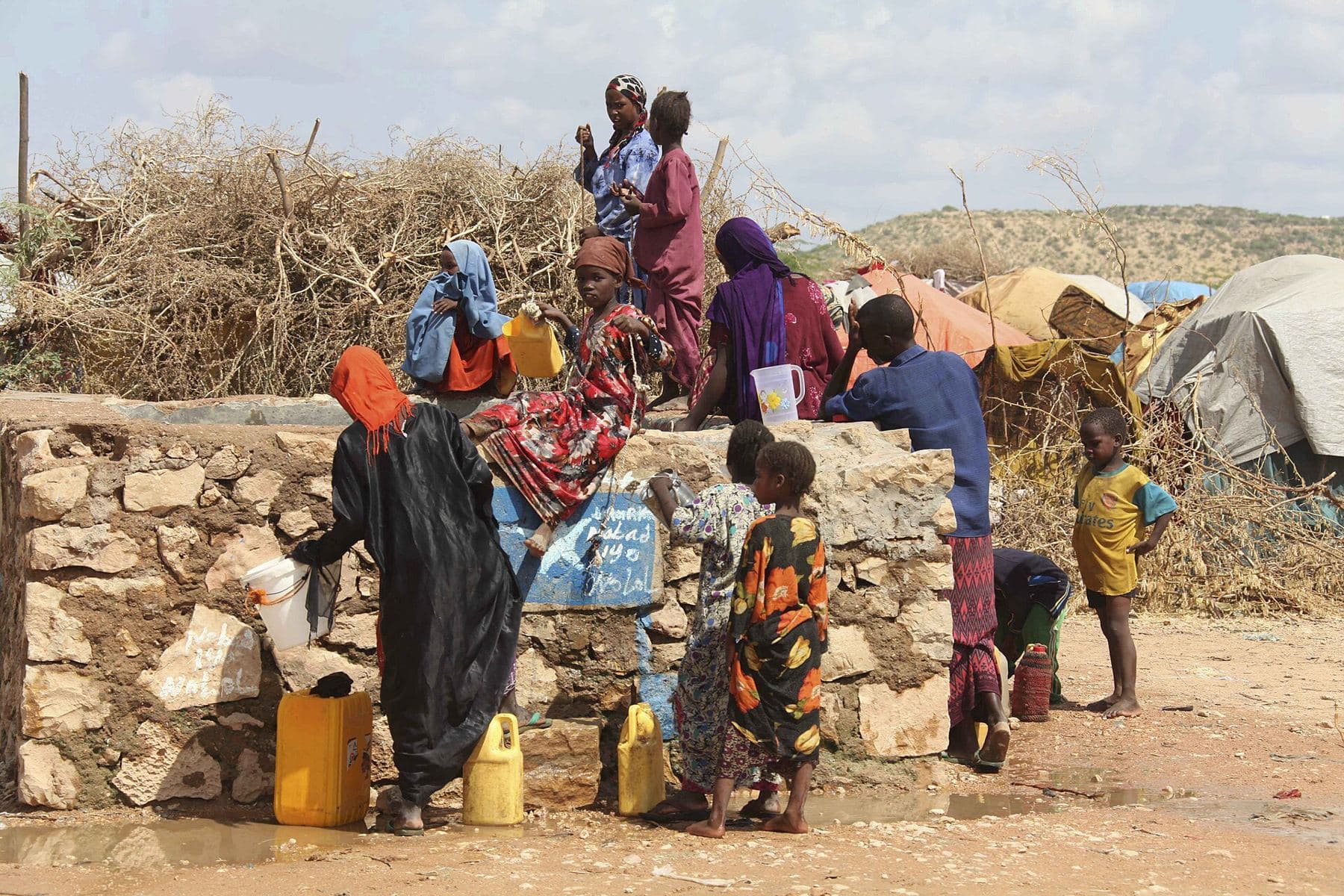
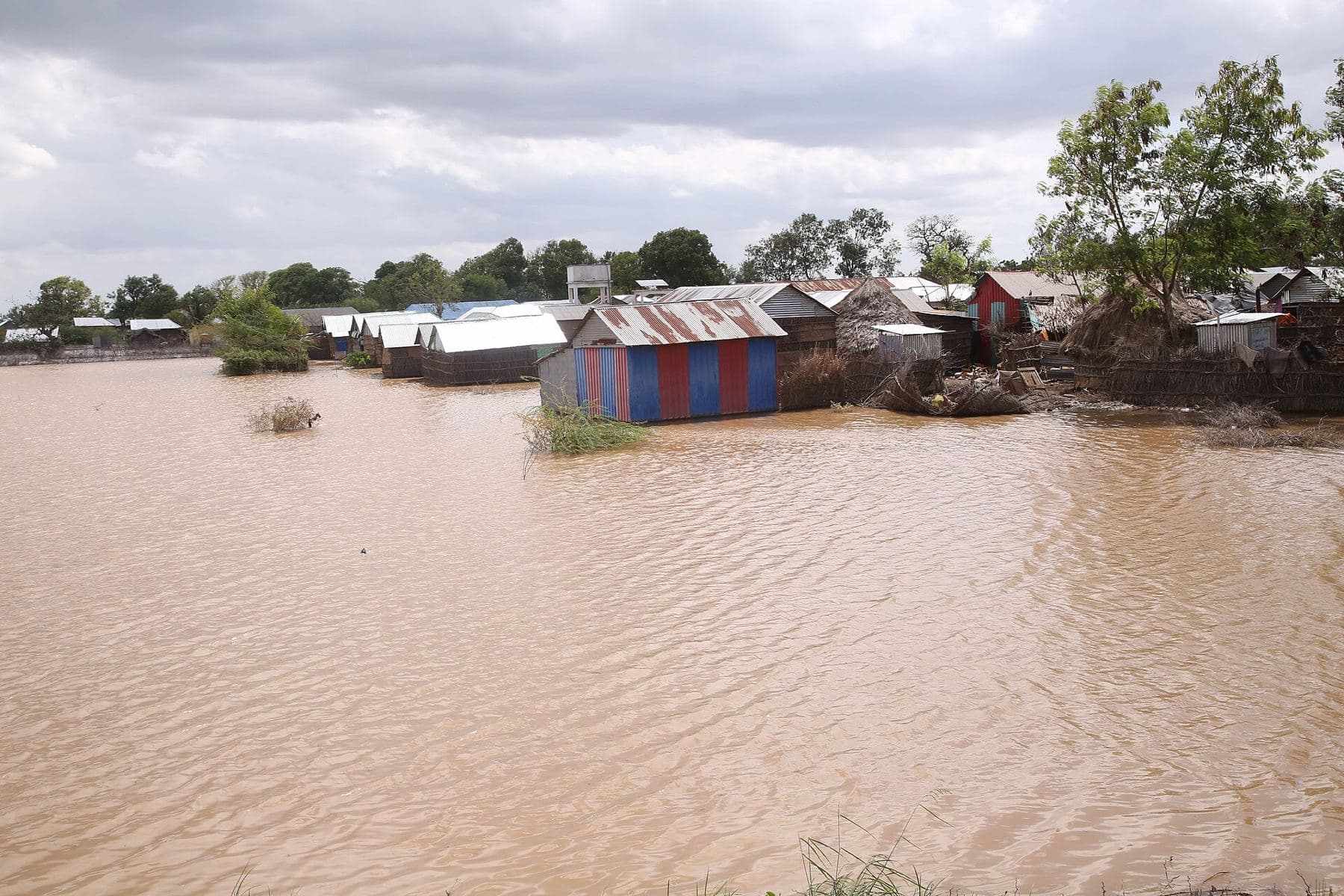
Along the Shabelle, a crisis rarely arrives alone. Flooding submerges IDP shelters and farmland, damages latrines and raises cholera risk. The next season, failed rains dry the river and push families into hunger and displacement.
Forecasts exist, but in many villages the community triggers, contingency plans and resources needed to act on them are weak. Warnings arrive, and families are left to decide alone what to do.
From forecast to locally owned action
SHARAN works with village committees, river and water-user groups, women's and youth groups and elders to agree in advance what will trigger action, who will act and with what resources.
By 2029 we aim for every target village to have a functioning early warning committee and a contingency plan, and for SHARAN to hold a modest emergency reserve so it can respond to floods and drought before external funds arrive.