About SHARAN
Born on the banks of the Shabelle.
A Somali national non-governmental organisation working across the humanitarian, development and peace nexus, governed from Jowhar and accountable to the communities it serves.
Our story
A simple question, asked by the people closest to the river.
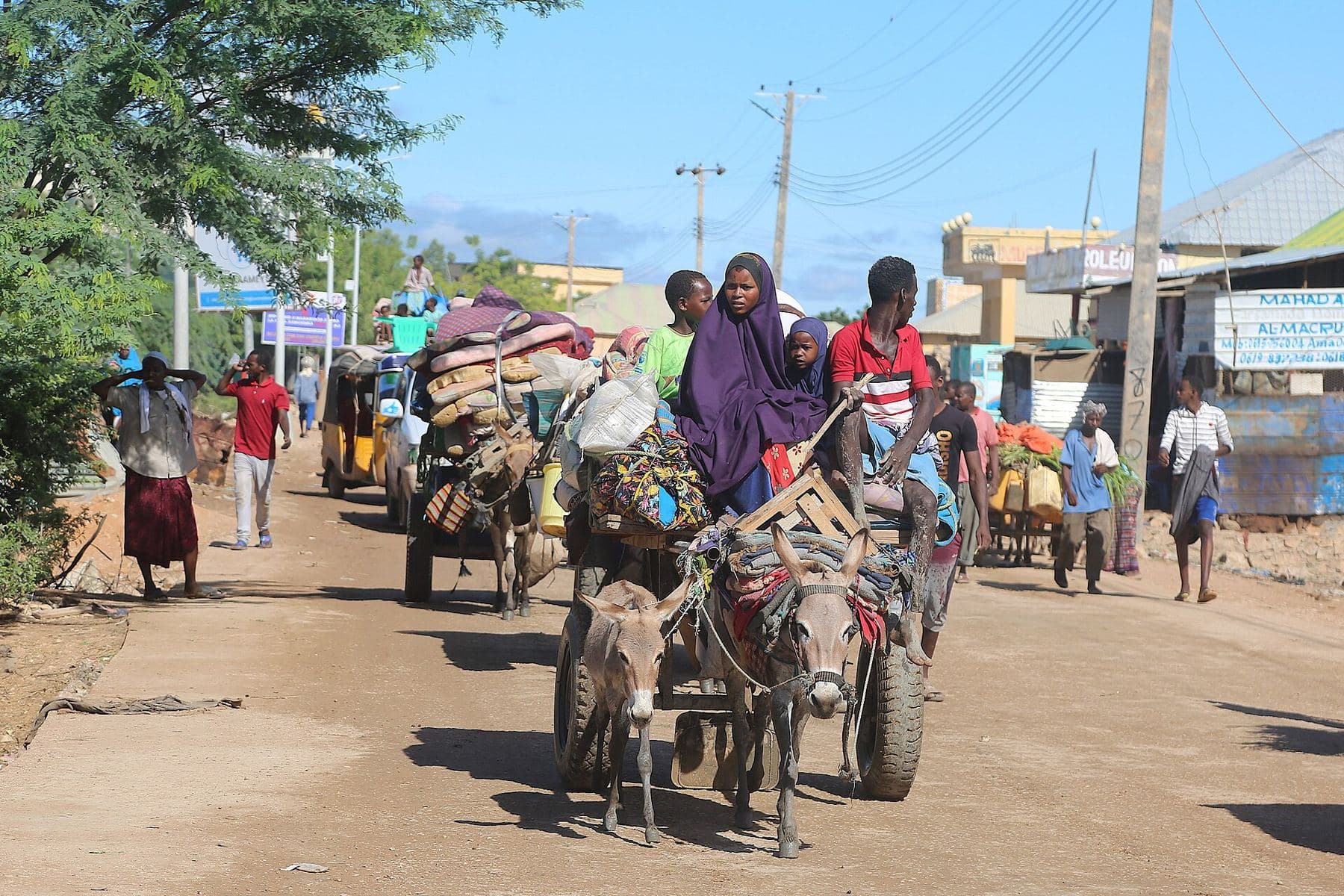
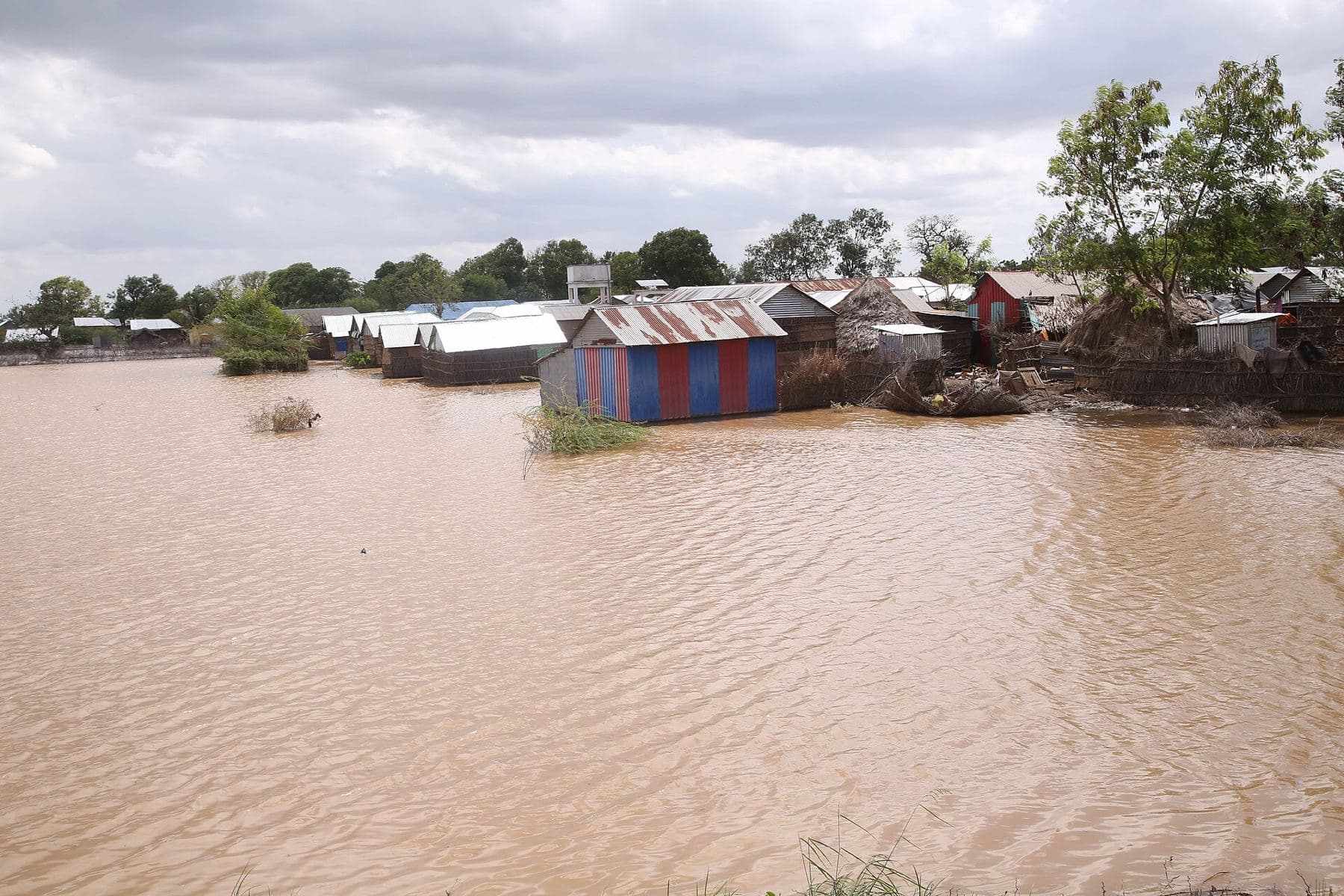
SHARAN's founders are Somali professionals in humanitarian response, education, research and community development. They watched the same villages around Jowhar flood one season and go hungry the next, while support arrived late and left little behind.
They asked a simple question: what if the people closest to the river led the response, before, during and after each shock? They came together to build a local organisation that could answer it, combining frontline response with schools, clinics, irrigation, skills and peace.
Founded in
Jowhar, Middle Shabelle
The name says what SHARAN stands for
- S
Shabelle
is where we are rooted.
- R
Resilience
is the change we work for.
- A
Action
is how we work: early, practical and accountable.
- N
Network
is our method: we work through communities, local organisations and partners rather than around them.
Vision
Resilient, peaceful and self-reliant communities in the Shabelle basin and across Somalia, able to withstand shocks and shape their own future.
Mission
To save lives and build lasting resilience among vulnerable communities in South and Central Somalia through locally led early action, quality basic services, sustainable livelihoods and peacebuilding.
Core objectives
- 1Strengthen community preparedness and deliver timely, principled response to floods, droughts and other emergencies.
- 2Build climate-resilient livelihoods through irrigation rehabilitation, smallholder support and natural resource management.
- 3Expand equitable access to education, primary health care and market-relevant skills in underserved villages.
- 4Support displaced families to achieve safe and dignified durable solutions.
- 5Promote peaceful coexistence, reconciliation and inclusive local decision-making.
Core values · S-H-A-R-A-N
Six values that spell our name
Values expressed as operating commitments, so that every staff member, volunteer and partner can remember them and live them.
- S
Solidarity
We stand with communities before, during and after crises, and stay when others leave.
- H
Humanity and dignity
Every person is of equal worth; assistance protects dignity, not only needs.
- A
Accountability and integrity
We are honest and transparent with communities, authorities and partners, with zero tolerance for fraud, corruption, exploitation and abuse.
- R
Respect and inclusion
We respect local culture, faith and knowledge; women, youth, minorities, IDPs and persons with disabilities are agents of change.
- A
Action and learning
We act early and practically, learn from evidence and community feedback, and improve continuously.
- N
Neutrality and impartiality
Assistance is based on need alone, never on clan, political or other affiliation.
How we work
Six working methods, four cross-cutting lenses
Our four pillars are delivered through six working methods and four cross-cutting lenses, held to the Core Humanitarian Standard.
Rights-based
Communities are rights-holders, not passive recipients. We help them claim their rights and hold duty-bearers accountable, guided by humanitarian principles and IHL.
Community-centred
Communities set priorities, manage committees and own assets. We build the capacity of CBOs, local authorities and community structures.
Resilience and DRR
We analyse the causes of disasters with communities, link early warning to early action, and reduce exposure and vulnerability over time.
Traditional and religious leaders
Elders, religious leaders and other trusted figures are partners in early warning, reconciliation, girls' education and social change.
Rooted advocacy
Advocacy starts from community priorities; we open doors so community voices reach district, state and national decision-makers.
Innovation and evidence
Mobile data collection, GIS mapping and digital feedback; we test new approaches before scaling them.
Social cohesion and peaceful coexistence
Conflict analysis, Do No Harm, fair targeting across clans and groups, and dialogue in every programme.
Gender equality and women's empowerment
Women in leadership of committees, gender analysis, and safe access to services and income.
Environment and climate
Environmental screening of all projects, climate-smart design and protection of natural resources.
Minority rights and disability inclusion
Targeted outreach, accessible facilities and inclusive decision-making.
Organisational structure
Oversight separated from execution
Our governance separates member authority, strategic oversight and day-to-day management. This protects independence, builds partner confidence and ensures no individual can commit the organisation alone.
Members
General Assembly
Highest authority; approves the constitution, elects the Board, sets strategic direction and receives annual reports.
Oversight
Board of Directors
Strategic oversight, policy approval, financial stewardship and risk oversight; elects the Chairperson, Secretary and Treasurer.
Management
Executive Director
Leads the Secretariat, partnerships, organisational performance, programme quality and implementation of Board decisions.
Secretariat, Jowhar HQ
Programmes
Design and delivery across the four pillars; technical leads for resilience, education, health and peacebuilding.
MEAL
Monitoring, evaluation, accountability and learning: assessments, baselines, feedback systems and evaluation.
Finance & Administration
Finance, HR, procurement, logistics, compliance and reporting.
Field Coordination
Community mobilisation, committee support, local authority liaison and field monitoring.
Field offices and community structures
Deliver programmes in target villages and keep SHARAN accountable to the communities it serves.
Board composition principle
The Board includes diverse professional backgrounds (humanitarian, education, finance, law, community leadership) and at least one-third women, with no single clan or interest group holding a majority.
Founding team
A new organisation built on proven practice
SHARAN is a new non-profit, but its founders bring years of humanitarian, education, research and community work in South and Central Somalia. Their experience is theirs; we never present it as SHARAN's own programme record.
Mohamednur Keynan Ali
Founding Member
About 15 years across humanitarian, education and development work: monitoring and evaluation, research and report writing, strategy development and ToT; climate adaptation, flood needs assessments and child-protection assessments; multi-stakeholder assignments for organisations including Oxfam UK and GAIN. Dean of the Faculty of Education, Somali International University.
Growing our team
A lean, accountable core team, community volunteers in every target village and specialists contracted against clear terms of reference.
See opportunities →Our prioritised groups
Those who face the greatest barriers come first
Women and girls
Carry much of the burden of displacement and food insecurity; face GBV risks and exclusion from decisions.
Children
Most out of school, most affected by malnutrition and disease, and at risk of child labour and recruitment.
Youth
A large and largely unemployed population; with skills and a voice, they become drivers of peace and recovery.
Internally displaced persons
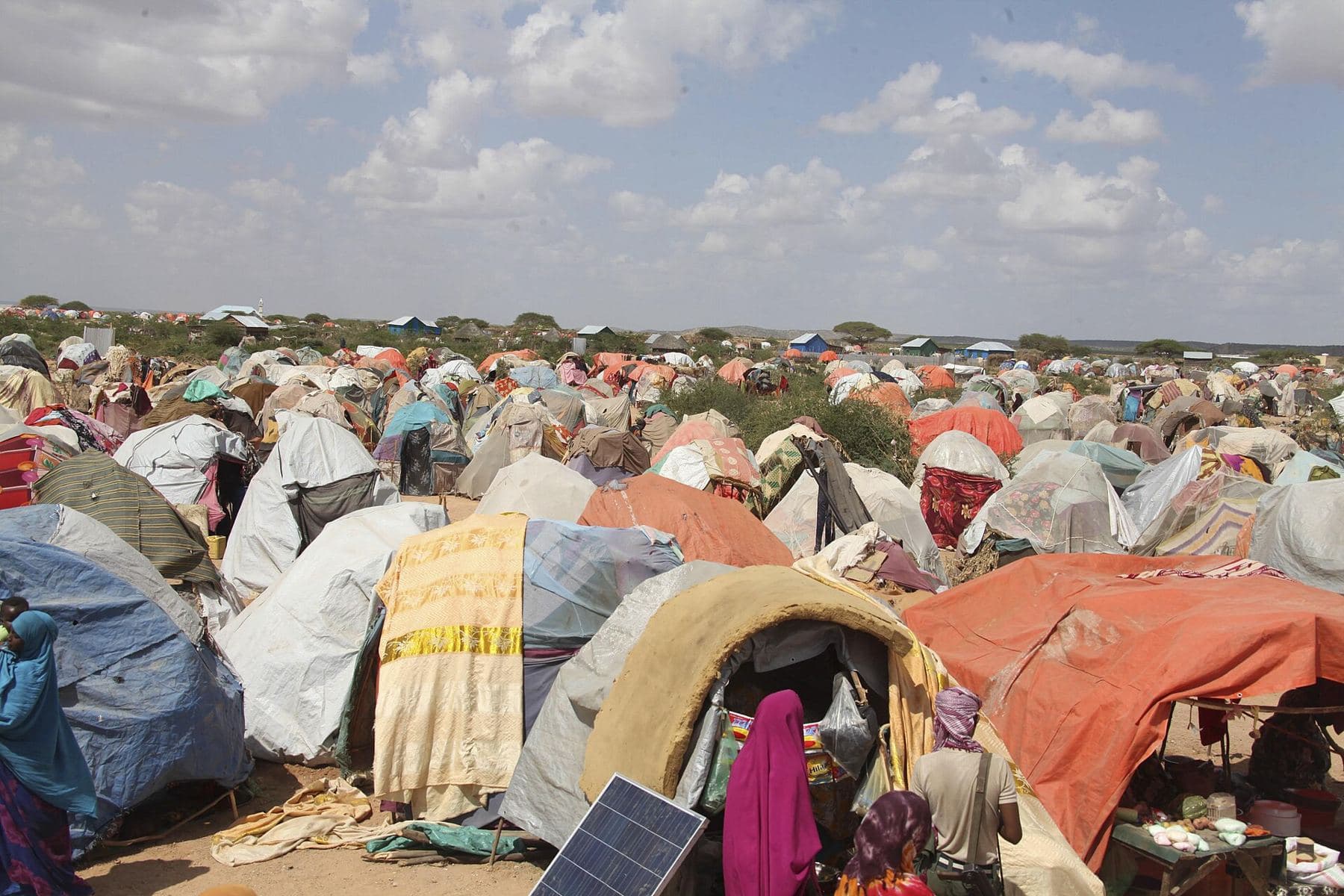
Repeatedly displaced by floods, drought and conflict, often in protracted and unsafe sites.
Minority and riverine communities
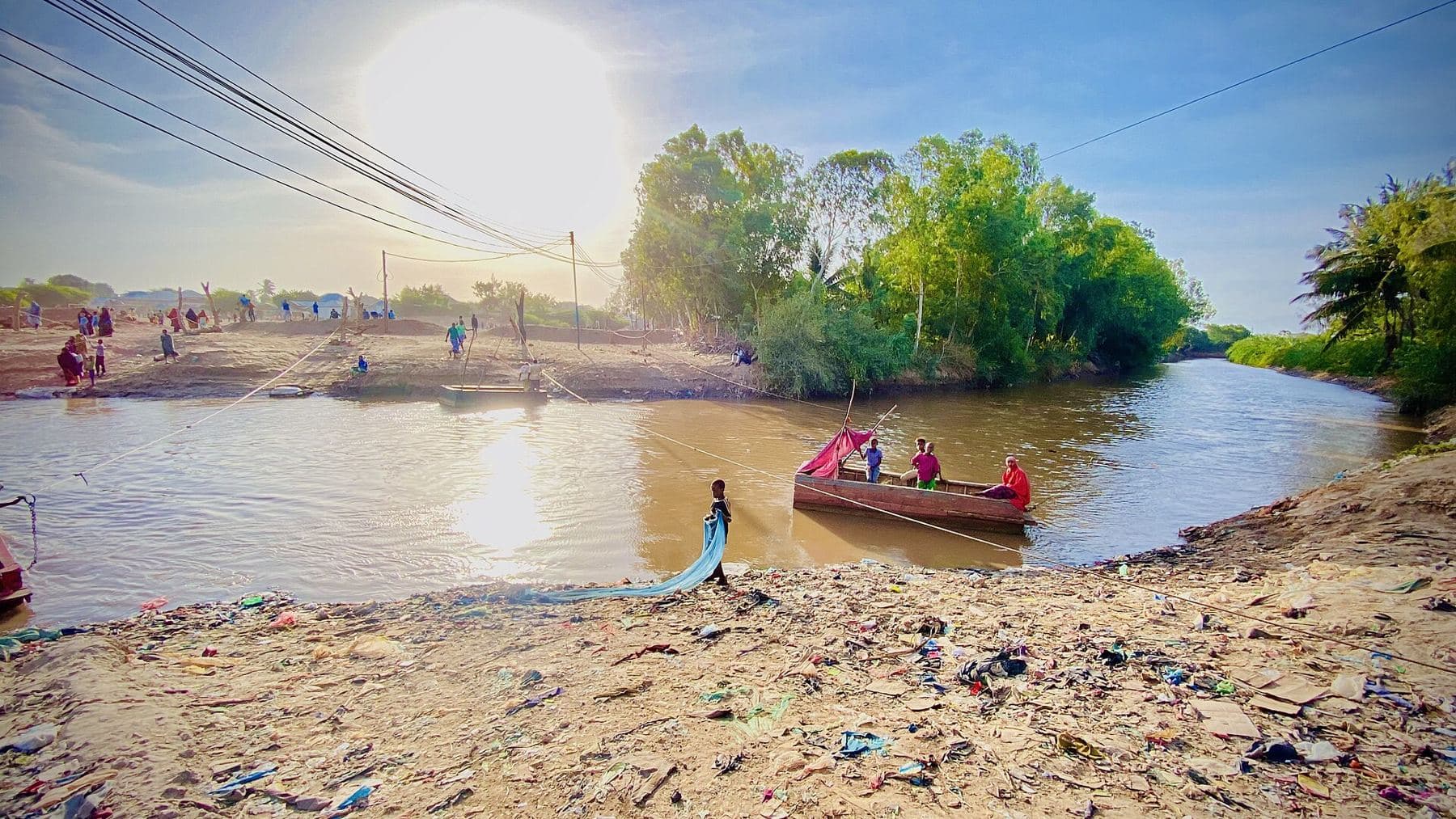
Often excluded from land, services and aid along the Shabelle.
Persons with disabilities and older people
Face added barriers to aid, education, health and livelihoods.
Partner with SHARAN
Invest in communities that are ready to lead their own resilience.
We welcome partners who value local ownership, accountability and lasting results.