Accountability & safeguarding
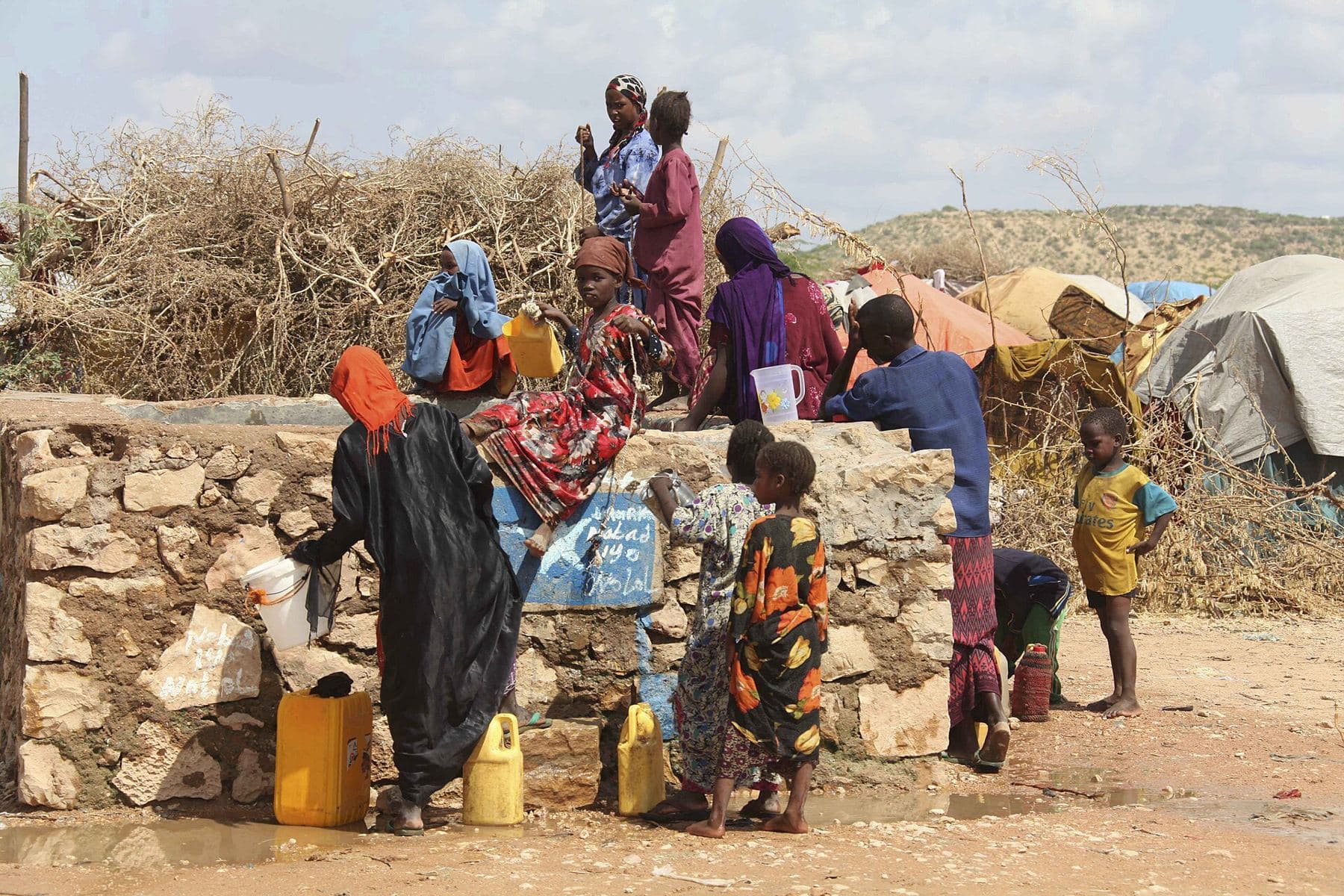
People affected by crisis at the centre of everything we do.
Our programmes follow the Core Humanitarian Standard, the Humanitarian Charter and Sphere Minimum Standards, and the humanitarian principles of humanity, neutrality, impartiality and independence.
Core Humanitarian Standard
How we deliver the nine CHS commitments
1…can exercise their rights and take part in decisions
Community consultation and committees at every stage of the project cycle
2…access timely and effective support
Rapid assessment and response; pre-positioned plans for floods and drought
3…are better prepared and more resilient
Early warning, contingency plans and resilient livelihoods
4…access support that does not cause harm
Do No Harm, conflict sensitivity and environmental screening
5…can safely report concerns and complaints
Hotline, help desks and complaint boxes, with responses tracked
6…access coordinated, complementary support
Active participation in clusters and state coordination
7…access support adapted on feedback and learning
Regular feedback reviews and adaptive management
8…interact with respectful, competent staff
Code of conduct, training and supportive supervision
9…can expect resources to be managed ethically
Financial controls, audits and anti-fraud measures
SHARAN aims to work towards CHS verification as it grows.
Protection of vulnerable groups
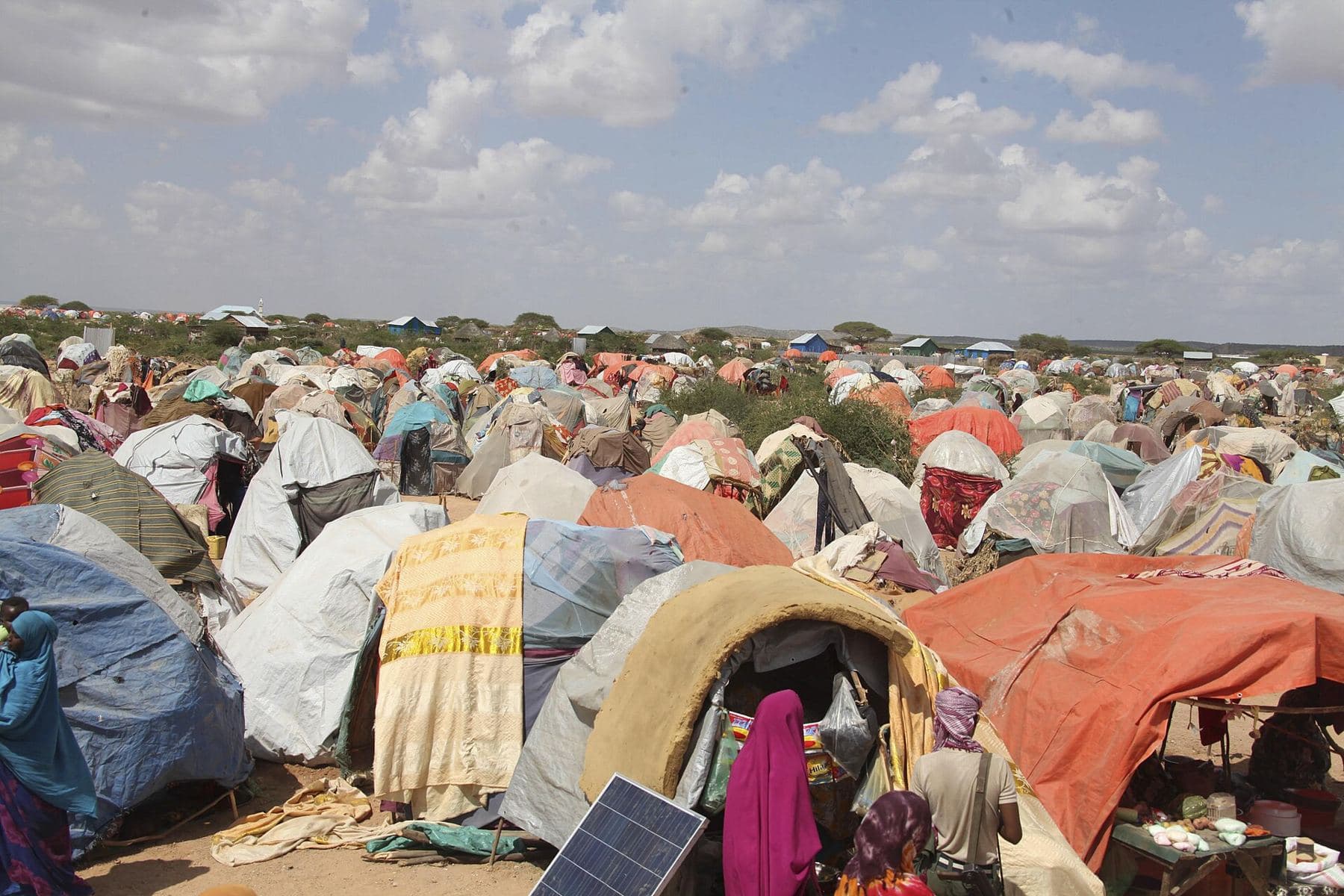
Zero tolerance for exploitation, abuse, fraud and corruption.
Protection mainstreaming
Safety, dignity, meaningful access, accountability and participation in every intervention.
Safeguarding and PSEA
A safeguarding policy aligned with the IASC Core Principles; trained focal points; safe recruitment; survivor-centred referral.
Child protection
Child safeguarding policy; prevention of child labour and recruitment; safe learning spaces.
GBV risk mitigation
Safe distribution sites, lighting and sanitation design, and referral to specialised services.
Operational systems
Controls partners can trust
Registration certificate, constitution, policies, financial records, audit reports, staff CVs and references are available to partners through a formal due-diligence process.
Programme management
Approved workplans, clear roles, milestone tracking, risk escalation and timely narrative reporting.
Financial management
Budget control, segregation of duties, bank-based transactions, monthly reconciliation and annual external audit.
Procurement and logistics
Competitive, documented procurement with thresholds, a procurement committee and asset registers.
Human resources
Fair, transparent recruitment; code of conduct signed by all staff and volunteers; gender balance in hiring.
MEAL
Results frameworks, baselines, regular monitoring, third-party verification where needed, evaluation and learning.
Anti-fraud and anti-corruption
Zero-tolerance policy, whistleblowing channel, beneficiary verification and partner due diligence.
Security and access
Context monitoring, community acceptance, movement planning and incident reporting.
Data protection
Informed consent, data minimisation, secure storage and anonymisation of sensitive information.
Feedback & complaints
Tell us. We will listen, act and respond.
Anyone can raise feedback, a complaint or a concern about SHARAN's staff, volunteers, partners or programmes, safely and confidentially. You may stay anonymous. Every complaint is logged, answered and reported.
- Feedback hotline+252 61 000 0000
- Emailinfo@sharan-somalia.org
- In personHelp desks, complaint boxes and community meetings
Our promise
Our promise of accountability
To communities
We will listen, involve you in decisions, answer your complaints and share results with you.
To authorities
We will coordinate, respect national and state policies, and report openly.
To partners and donors
We will use every resource responsibly, report on time and be honest about what works and what does not.
To ourselves
We will review progress every year and conduct a mid-term review in 2028 to adjust our strategy to new risks and lessons.
“We go where needs are greatest, act before the shock, and stay until communities can stand on their own.”